Crib mattresses are designed to support infants with firm, safe surfaces that meet basic sleep guidelines. When selecting a crib mattress, consider thickness, rigidity, and materials to ensure proper airway alignment and reduce the risk of suffocation or entrapment. For nursery environments, compatibility with standard crib dimensions and crib slat spacing is essential for long-term usability.
Materials like certified organic cotton, natural latex, or breathable, waterproof covers contribute to a clean, hypoallergenic sleep surface. Breathability helps regulate temperature and moisture, which can support infant comfort and reduce overheating. A good crib mattress should resist sagging and provide consistent support across the entire surface.
Key features to evaluate include edge support, seam durability, and the presence of a washable or waterproof cover. Zippered, removable outer layers simplify cleaning, while reinforced seams prevent staining and moisture penetration. Durable construction extends the mattress’s functional life in a busy nursery setting.
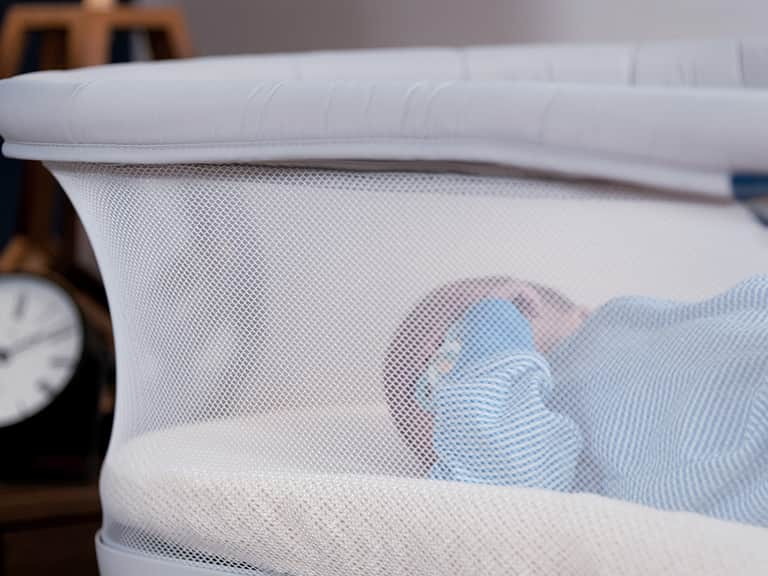
One notable option in this category is the Naturepedic Organic Breathable Bassinet Mattress for Halo Bassinets, which emphasizes certified organic materials and airflow-enhancing design. Its breathable construction supports infant comfort, while the organic composition reduces exposure to common allergens and irritants.
Understanding how a crib mattress relates to broader nursery bedding and furniture helps caregivers create a cohesive sleep environment. In addition to the mattress itself, consider sheets, fitted crib sheets, and a properly sized mattress pad to maintain a clean, safe, and comfortable sleeping surface for infants. Keywords: bedding, sheets, nursery, adjustable beds, furniture.
 Nursery